
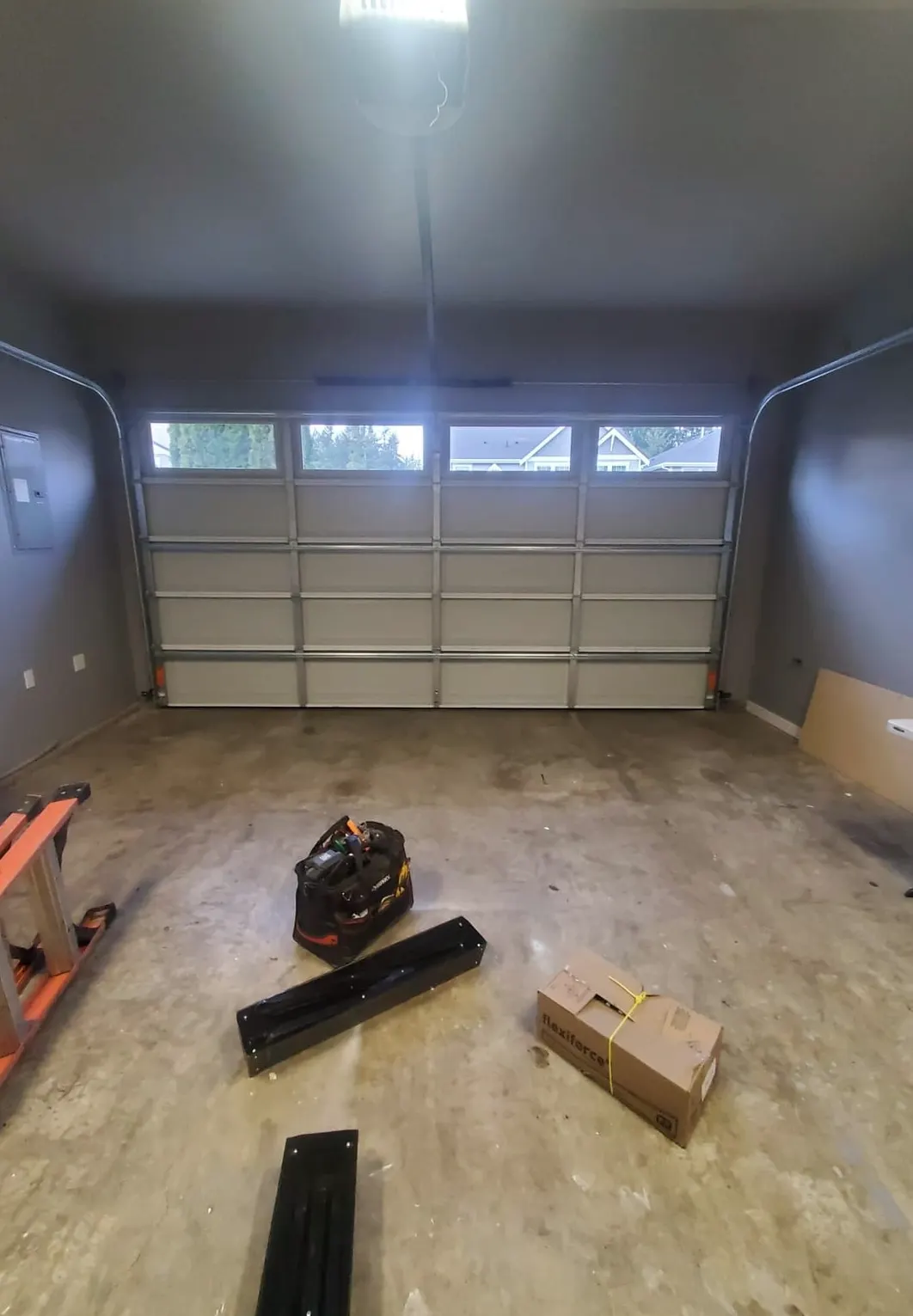
The Mistake That Feels Like Common Sense
Most parents assume the garage door will stop itself. It has sensors, after all, and a reversing mechanism, so letting a seven-year-old push the wall button to "help close up" or letting the dog wander near the opening while it comes down feels harmless. The door has never hit anything before, so why would it now?
That assumption is exactly the problem. Auto-reverse and photo-eye sensors are backup systems, not substitutes for supervision. They can fail quietly, get knocked out of alignment, or simply not detect something low and fast-moving like a small dog or a toddler's hand. By the time most families learn this, it's because something already went wrong, not because they read about it first.
What Actually Goes Wrong
A few specific failure points cause almost all garage door injuries involving children and pets:
- Photo-eye misalignment. The two small sensors near the floor on either side of the track have to be pointed at each other within a fraction of an inch. A bump from a bike, a stroller, or a snow shovel is enough to throw them off. Once misaligned, the door won't reverse for anything in its path, even a person standing right there.
- Sensor fouling from winter conditions. Road salt spray, ice buildup, and condensation on the sensor lenses during cold months can block or confuse the beam. A sensor that worked fine in October can fail silently in January after weeks of salted driveways and freeze-thaw cycles.
- Pinch points on panel sections. Older doors, especially ones with traditional raised panels, have gaps between sections that close down to almost nothing as the door moves. Small fingers fit into that gap in a way adult fingers don't.
- Remotes and keypads within reach. A remote clipped to a visor at kid height, or a wall button mounted low enough for a three-year-old to reach, turns the garage door into something a child can operate without understanding what it does.
- Force settings turned up too high. When a door starts binding or struggling, some homeowners increase the opener's force setting to compensate instead of fixing the underlying issue. That makes the auto-reverse less sensitive, because it now takes more resistance to trigger a stop.
How Bad It Gets
These aren't minor nuisances. A door that doesn't reverse can cause serious crush injuries to hands and feet, and the weight involved is enough to injure or kill a small pet that gets caught underneath. Most of these incidents happen in a few seconds, while an adult is distracted loading the car or grabbing something from the garage, which is exactly why prevention has to be built into habits rather than relying on someone watching every single time.
The Specific Actions That Prevent It
- Test auto-reverse monthly. Place a roll of paper towels or a piece of wood on the ground where the door closes. The door should reverse immediately on contact. If it doesn't, stop using the opener until it's repaired.
- Clean and check the photo-eye sensors seasonally. Wipe the lenses clear of salt film, dust, and condensation, and confirm the indicator lights on both sensors are solid, not blinking. Do this heading into winter and again after any rough weather.
- Mount wall buttons at least five feet up. If yours is lower, move it or switch to a keypad entry that requires a code, so operating the door isn't as simple as reaching up and pressing a button.
- Keep remotes out of kids' reach and treat them like car keys, not toys.
- Never leave the force setting higher than necessary to compensate for a door that's binding, sticking, or hard to lift. That's a symptom of a mechanical problem, not something to override.
- Teach kids the door is equipment, not a game, the same way you'd talk about a lawn mower or power tools. Pets can't be taught this, so keep them inside or leashed during any time the door is opening or closing.
When to Call Beachwood Garage Door Co
If your auto-reverse test fails, if the sensors show a solid light but the door still won't stop for an obstruction, or if you've noticed the force setting creeping higher over time to deal with a sticky door, those are signs the opener needs attention, not a workaround. Our Opener Repair & Installation service recalibrates sensor alignment, resets force settings to safe levels, and replaces failing photo-eyes outright when cleaning them doesn't solve it. We also build a full safety check into our Garage Door Maintenance visits, so pinch points, sensor function, and force settings get looked at before winter conditions have a chance to make a small misalignment into a real problem.
If you've got kids or pets in the house, a working auto-reverse system isn't optional equipment. Call Beachwood Garage Door Co to schedule a safety check for your home in Beachwood, OH, and get it confirmed before the next cold snap puts it to the test.